A funeral is a journey, and it takes time
In Hmong tradition, a funeral is not a single ceremony. It is the work of guiding a loved one's soul on its journey — back through the places of their life, to their birthplace and their ancestors — so they can be at peace.
That is why a traditional service can last up to three days. It is why family stays close around the clock. It is why the qeej — the bamboo reed instrument whose music speaks to the spirit world — is played through the service, why the guiding chant, Qhuab Ke ("showing the way"), is sung, and why food, music, and gathering matter for the whole service, not just an hour or two.
Days of gathering take real planning — starting with where the service is held.
The dressing comes first — and the family directs it
The most important part is how your loved one is dressed and prepared.
Families come in and direct our staff, in detail, on exactly how they want their loved one dressed and what they want placed with them in the casket. This is thorough, and it is very important. In tradition, the deceased is dressed in new ceremonial clothing so their ancestors will recognize them, and what goes on the body and into the casket follows specific customs — including rules about materials such as plastics and metal.
We follow the family's direction exactly. If something needs to be a certain way, tell us. That is how this is supposed to work.
That coordination starts before the dressing, in the preparation itself. We work closely with families on keeping plastic out of the body during the embalming process — non-plastic sutures and similar choices, made deliberately instead of by default. We will be straight with you: not everything can be accommodated in every case. But where there is a way to do it the way your family needs it done, we will find it and do it that way.
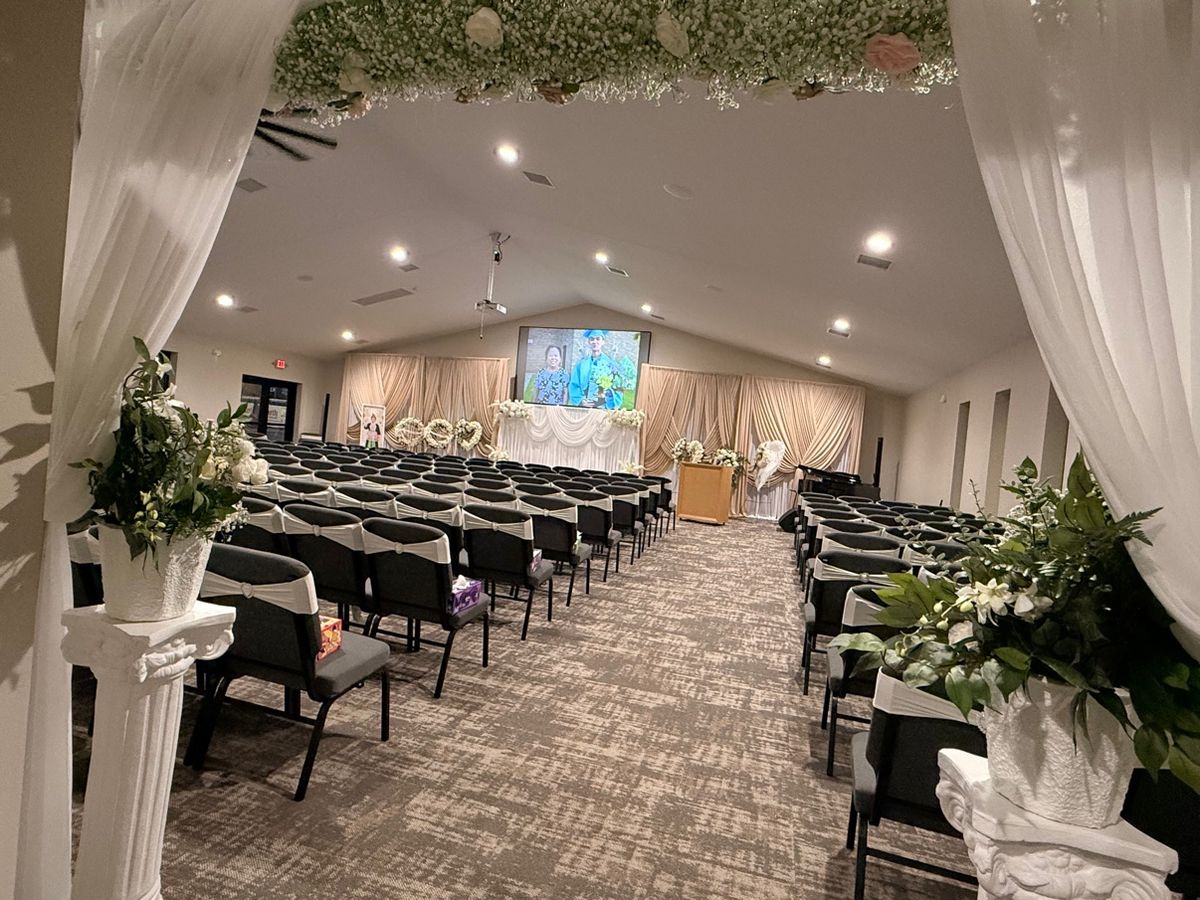
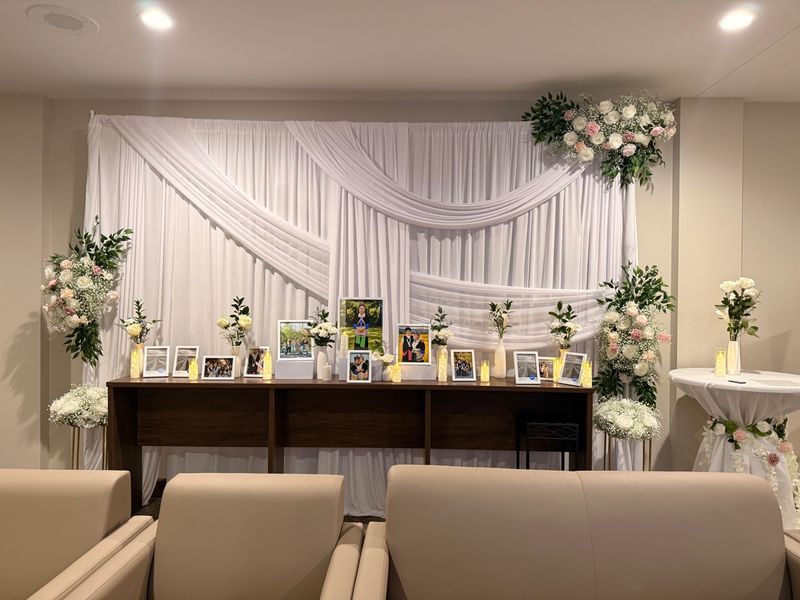
At our facility, the space is yours
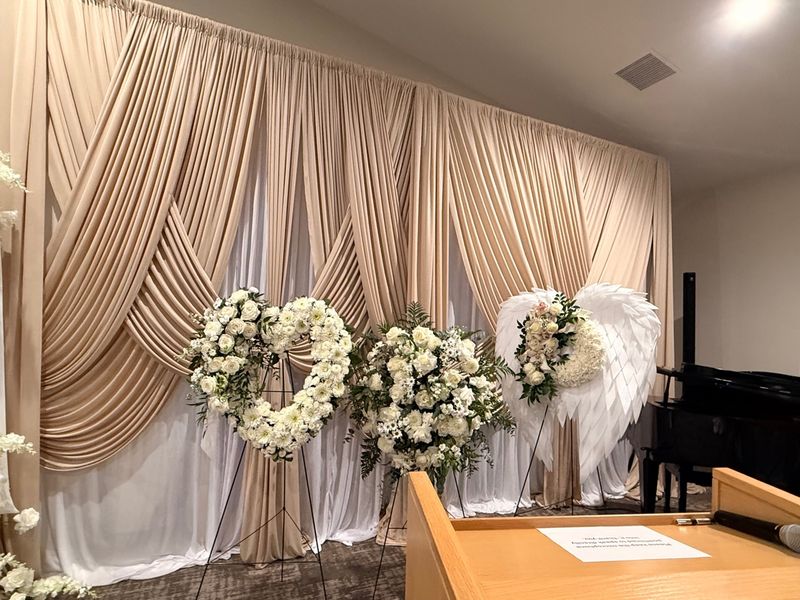
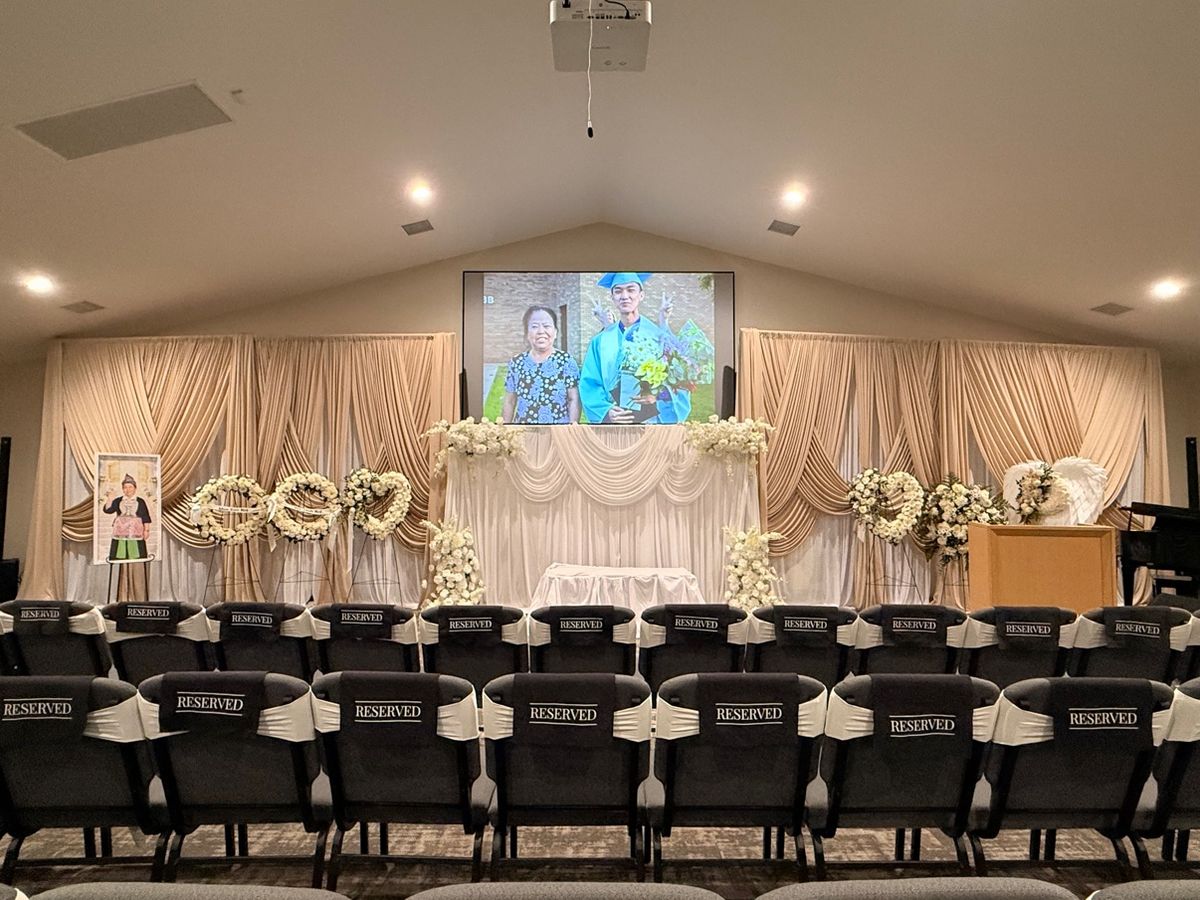
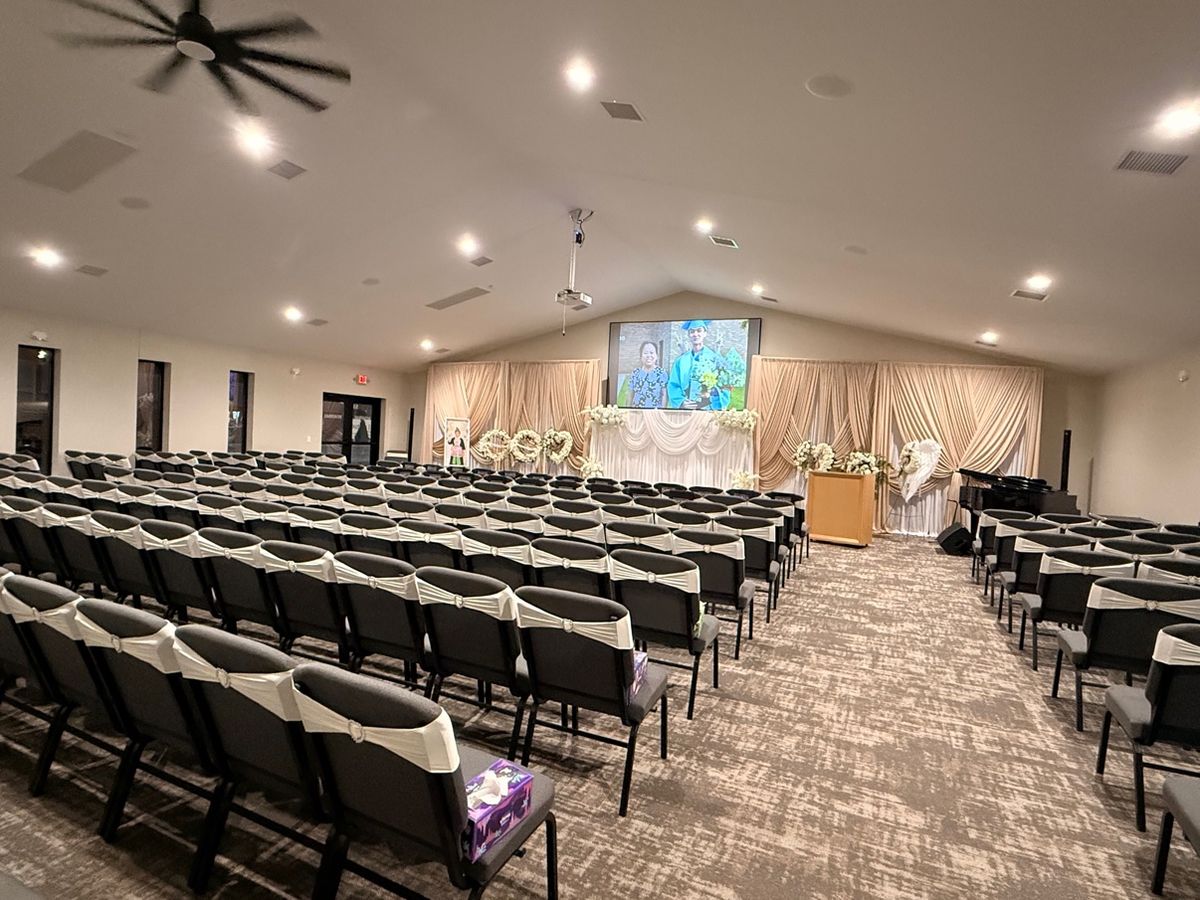
When a service is held at Smith, we want the family to truly use the space, for the whole service.
Make it your family's place
Bring in and set up the decorations that are important to the ceremony. Families really go all out — and it is beautiful.
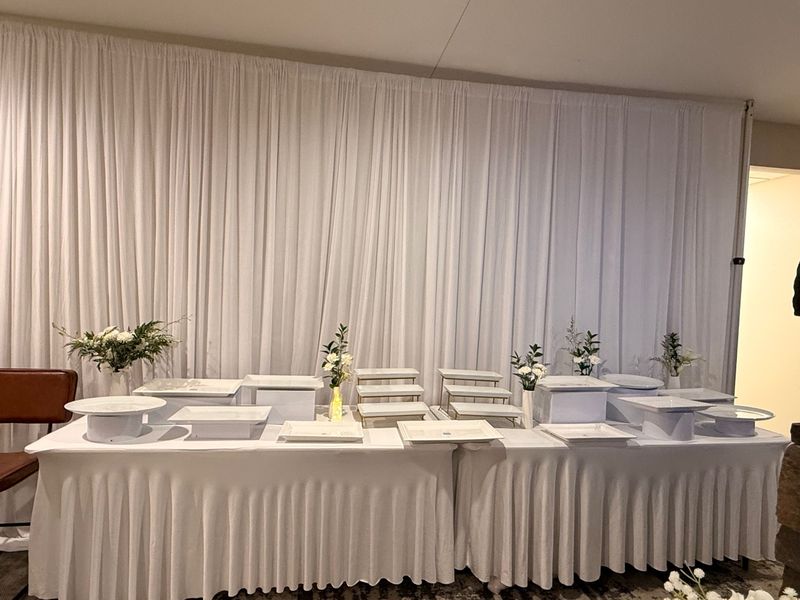
Food through the service
Cook and share food across the service, the way a gathering this long requires. People need to eat; the service needs to continue.
Songs and traditional practices
Play music, sing, and carry out the traditional practices that guide your loved one. Those sounds belong in the room.
We try our best to accommodate what a family wants. If there is something your service needs, ask us — we are accustomed to working through it with families.
You can be yourselves here
A traditional Hmong service is different from the services most funeral spaces are built around — it asks a lot of a space, of a schedule, and of a staff. Families have been turned away from, and even kicked out of, other spaces for exactly that reason.
Smith knows what these services involve, and we want the Hmong community to know this plainly: here, you can be yourselves, and you can showcase your culture. The length, the food, the music, the ceremony — that is not a problem we manage. It is the service, and this is a place where it belongs.
“Here, you can be yourselves, and you can showcase your culture.”
Family reaches far — so the service does too
Hmong families are spread across the country and around the world, and a service that runs for days should not be something relatives miss because they could not travel.
We can record and stream the full service, however many days it runs — so family anywhere can be part of it, live or later.
The practical pieces, handled
- Work releases. A traditional service can mean days away from work, and employers often need documentation. Families ask us for work releases for exactly this reason — we provide them, and we are accustomed to providing them.
- Three-day services at the HMAA Cultural Center or the Knights of Columbus. When a family wants the full three days, the spaces that fit a gathering that long are the Eau Claire Area Hmong Mutual Assistance Association Cultural Center and the Knights of Columbus in Chippewa Falls. We work directly with both, handle transporting your loved one to and from the services, and help there exactly the way we help here — dressing direction, recording and streaming, work releases, and day-of coordination.
- Burial direction at the cemetery. Sometimes a family needs their loved one buried facing a certain direction, in keeping with tradition. We work directly with the cemeteries to coordinate the plot and orientation ahead of burial day — no surprises, and no last-minute compromises on something that matters this much.
- The right casket, ordered ahead. Families bring items for their loved one to take with them into the afterlife — and those items need room. We order oversized caskets for Hmong services for exactly that reason, and we coordinate with the casket companies that build specifically for Hmong funerals to get the right special casket delivered in time. Tell us early what your family is thinking of placing with your loved one, and the casket gets sized and ordered around it — not the other way around.
What helps us prepare with you
When you call, it helps to talk through:
- Who in the family will direct the dressing and the casket items
- The ceremonial clothing and items the family is bringing — including items for the afterlife, so the oversized or special casket can be ordered in time
- Any preparation requests around plastics and materials in embalming, so they are coordinated before preparation begins
- Whether the service will be at Smith, at the HMAA Cultural Center, or at the Knights of Columbus
- The cemetery, and any specific burial direction the family needs
- Who needs a work release
- Whether the family wants the service recorded or streamed
You don't have to figure out the order of all this alone
Call us, tell us about your loved one, and we will walk through the service with you — step by step, the way your family wants it done. We are here 24 hours a day.
Call (715) 832-1141 Email Us